Introduction
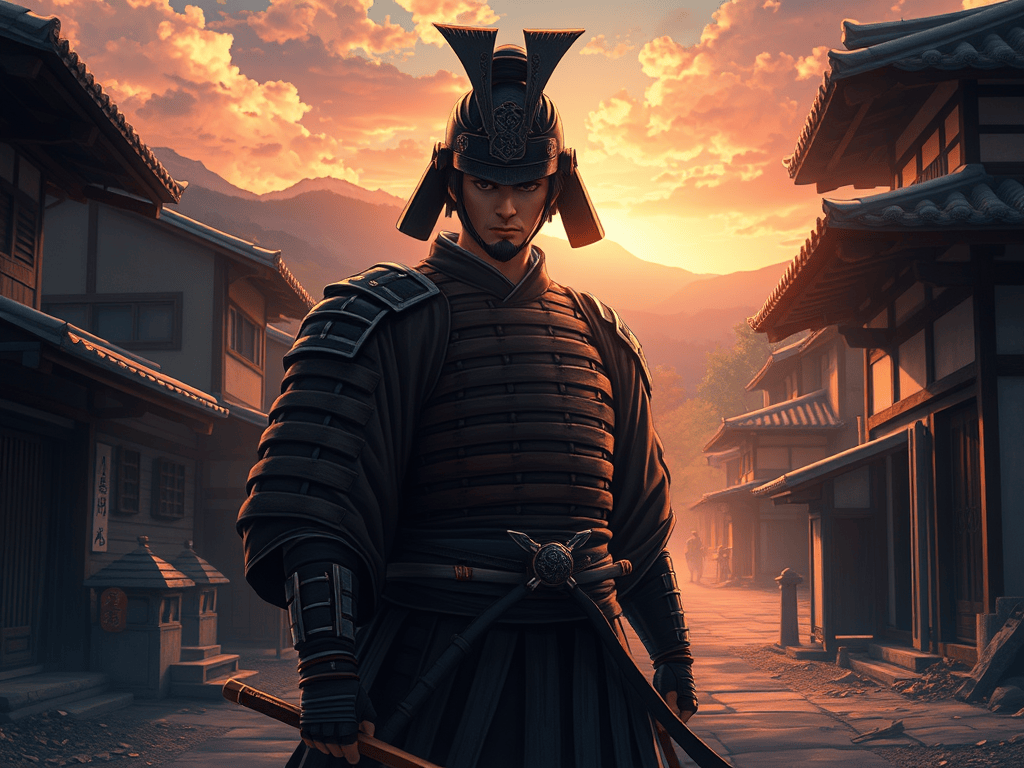
As someone with over 20 years of experience in IT consulting and architecture, dealing with several clients, and a passion for making movies producing a feature film, I’ve come to see striking parallels between these two seemingly unrelated worlds. I’ve always loved the art of motion pictures and storytelling, and as a Technology Architect, I’ve realized how similar the roles of a filmmaker and a consultant can be. In The Seven Samurai, seven skilled warriors come to the aid of a community, much like how Technology Consultants’ step in to help businesses facing complex challenges. In both cases, there is a delicate balance of skill, strategy, and empathy that helps bridge gaps and drive transformation. As I reflect on my journey in both industries, I see myself as the seventh samurai – belonging to both worlds, the community and the samurai, and bringing valuable insights from each.
The Community: The Business Environment
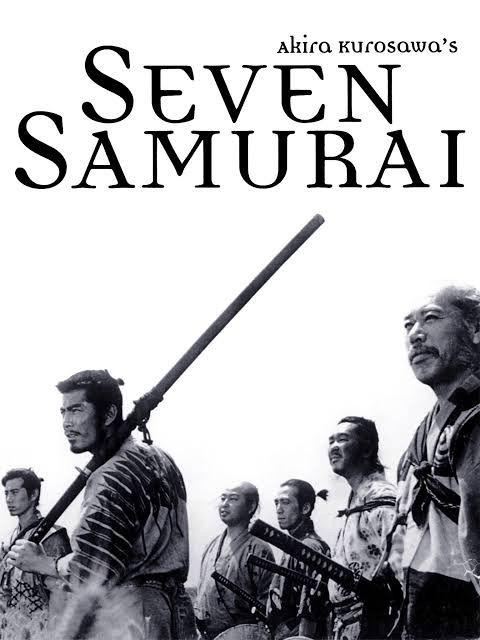
In The Seven Samurai (1954), directed by Akira Kurosawa, the community is vulnerable to threats far beyond its means. Bandits loom on the horizon – merciless and inevitable. The community is capable, full of hardworking people, but they lack the tools, training, and tactics to defend their land. They know they need help – and they aren’t afraid to ask for it. The film masterfully captures the moment when humility meets courage, as the people seek out warriors not just to fight for them, but to stand with them.
In today’s business environment, the “community” mirrors this scenario. It represents the internal ecosystem of a company – its people, culture, and processes. Employees strive to produce, to grow, and to serve, but sometimes the obstacles they face are simply too complex or fast-moving to tackle alone. Whether it’s the chaos of digital transformation, emerging threats in cybersecurity, outdated legacy systems, or organizational stagnation, modern businesses often reach a breaking point where internal capabilities alone are not enough.
This is where the “Technology Samurai” enters the scene.
Each type of consultant brings a different kind of strength to the community. The Strategic Ronin offers vision and clarity when leadership is clouded by uncertainty. The Technical Warrior steps in with deep expertise, able to slice through complexity with clean, scalable solutions. Transformation Agents bring heart – an understanding of both where the company came from and where it could go. Process Defenders establish order and resilience. Risk Sentinels scan the future to protect the present. Culture Architects realign and reenergize teams. Innovation Catalysts inject bold ideas, often sparking the next leap forward.
But most importantly, these experts don’t come to conquer. They come to empower.
The business community may have called for help, but the end goal isn’t dependency – it’s capability. Like the community in the film who learn to stand and fight, modern organizations grow stronger by collaborating with these experts. They develop new muscles, new strategies, and new mindsets.
Ultimately, the mark of a great consultancy isn’t the brilliance of its strategy decks or the elegance of its code – it’s the lasting strength it leaves behind. A community that can defend itself, adapt, and even inspire others.
When the harvest is protected, and the people are thriving, the samurai can move on – not because they are no longer needed, but because the community no longer needs saving.
The Samurai: The Technology Expert
In The Seven Samurai, each warrior brought more than just a sword to the battlefield – they brought wisdom, perspective, and a commitment to something larger than themselves. Their roles extended far beyond combat. They studied the terrain, taught the community how to defend itself, and inspired courage where fear once lived.
Similarly, IT consultants are more than just technologists. They are modern-day samurai, wielding specialized skills in strategy, software development, systems integration, cloud architecture, cybersecurity, data analytics, and more. Their battleground is digital complexity, and their mission is to help businesses not just survive disruption – but transform because of it.
Each expert, like each samurai, brings a unique specialty. The Strategic Ronin sees the whole picture – mapping the battlefield, understanding the broader context, and advising executives with insight that comes from experience. The Technical Warrior gets into the weeds, building scalable, secure, high-performance systems that are often invisible but essential. And the Transformation Agent connects deeply with people, understanding resistance to change and guiding teams through uncertainty with empathy and grit.
In the film, the samurai weren’t paid much – just meals and shelter. Yet they fought with honor because they believed in the cause. Likewise, while technology experts are compensated, the best among them are driven by impact. They want to see the organization grow stronger. They want to leave behind systems that are stable, teams that are capable, and cultures that are ready for what comes next.
A expert’s role isn’t limited to delivery – it’s also about education, coaching, and mentorship. Like the samurai teaching community how to fight with spears, consultants often spend as much time empowering the internal team as they do building solutions. They help staff learn new technologies, adopt agile methodologies, or embrace change in a way that sticks.
Ultimately, great IT consultants don’t just implement tools – they change trajectories. They help businesses become more self-sufficient, resilient, and confident in navigating future challenges on their own. When they depart, they don’t leave behind dependence – they leave behind strength.
The sword may be digital, but the spirit is the same: serve with honor, elevate the community, and walk away knowing that you’ve left something behind that can endure without you.
The Seventh Samurai: The Consultant Who Bridges Both Worlds
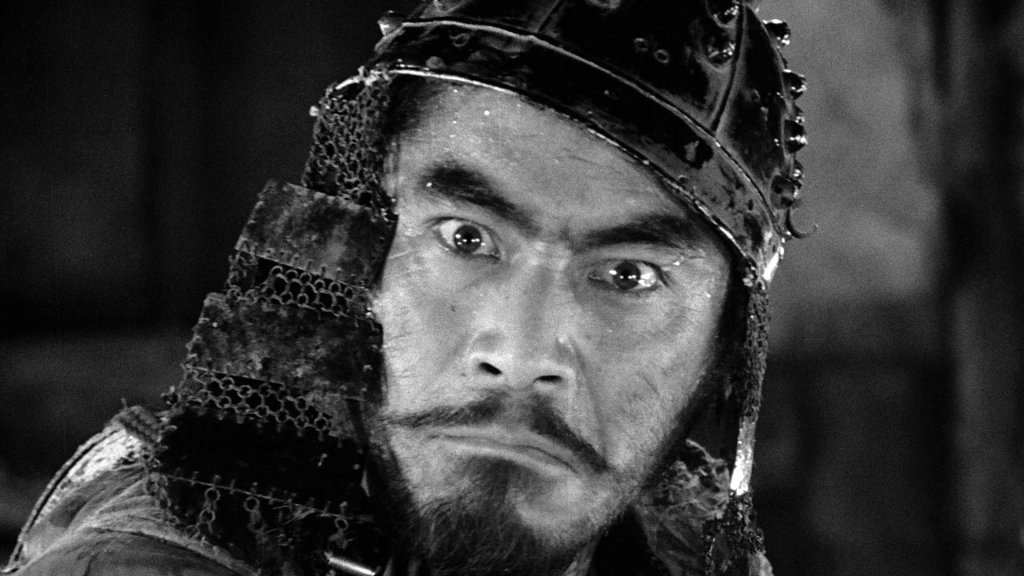
In the movie, the seventh samurai is unique in that he doesn’t fully belong to either the samurai world or the community’s world. He is caught between these two spheres. Similarly, as an IT consultant, I don’t just bring technical expertise – I also become part of the company’s culture, understanding its needs, its dynamics, and its people. I belong to both the technical and the business world, bridging the gap between the two.
Much like the seventh samurai, who shows deep understanding and empathy for both the samurai and the community, a consultant brings empathy to their role, understanding the challenges of the business and knowing how to navigate complex technical solutions.
Kurosawa’s seventh samurai, Kikuchiyo, is notable as he exists between two statuses – not entirely a samurai nor fully a part of the community, yet familiar with both. He exists in the space between, bridging their divide. This resonates with the role of an IT consultant. Beyond bringing essential technical expertise in systems and solutions, effective consultancy means deeply integrating into the client’s environment. It requires understanding their specific business culture, their operational needs, their internal dynamics, and the perspectives of their people. In essence, I operate within both the technical sphere and the business sphere, acting as a conduit between them. This dual perspective is crucial. Much like Kikuchiyo leverages his understanding of both groups to forge connection and action, a consultant uses empathy to grasp the core business challenges and the technical pathways to address them. It’s about translating needs in both directions and ensuring that technological solutions are not just implemented, but are truly aligned with, and sensitive to, the human and strategic context of the business. This ability to navigate and connect these two distinct worlds is where the consultant’s core value truly lies.
The Battle: The Business Challenge
In The Seven Samurai, the community is faced with an overwhelming challenge – bandits they can’t defeat on their own. The samurai don’t just charge in with swords drawn; they first assess the situation, understand the weaknesses, and then devise a strategic plan. Similarly, in the fast-evolving world of AI and technology, businesses are facing challenges that seem just as overwhelming. New technologies emerge at breakneck speeds, and without the right expertise, businesses risk being left behind.
However, this battle cannot be won by simply hiring a few technical experts. Much like how the community couldn’t rely on the samurais alone to defend them, businesses can’t simply rely on technology solutions without understanding the underlying processes, people, and culture involved. The true challenge today is that businesses and technology have become so disconnected that overcoming these barriers requires more than just technical know-how. It demands a bridge – someone who understands both the business and the technological world.
Without someone who truly grasps the intricacies of both sides, the challenges will only grow. In this new era, the job of an IT consultant has evolved beyond just offering technical solutions. It’s about strategically integrating AI, automation, and innovation into the fabric of business operations in a way that makes sense and drives value. It’s not just about fighting the battle; it’s about understanding the battlefield itself.
The Seven Types of Consultant Samurai
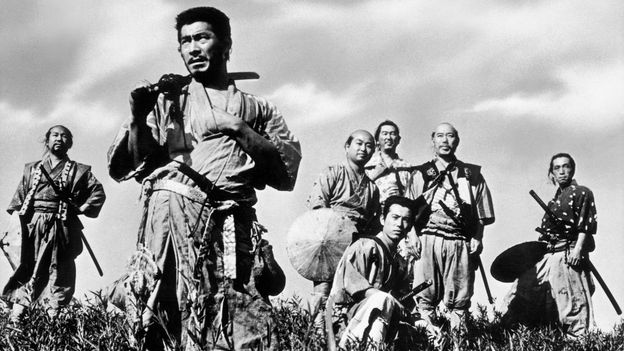
- The Strategic Ronin — Like Kambei, the wise leader samurai, strategic consultants bring battle-tested wisdom from many campaigns. They’ve seen empires rise and fall, and now guide the community elders (executives) in fortifying their domain.
- The Technical Warrior — Resembling Kyuzo, the silent master swordsman, technical consultants cut through complexity with surgical precision. Their code is their katana, their architectures are their battle formations.
- The Transformation Agent — Like Kikuchiyo, the wild, formerly peasant samurai, these consultants understand the community because they were once community themselves. They bridge worlds with raw authenticity.
- The Process Defender — Similar to Gorobei, these consultants specialize in defensive tactics, building walls (systems) to protect the community’s most valuable resources.
- The Risk Sentinel — Heihachi’s watchful eyes reborn, these consultants scan horizons for unseen threats, preparing contingencies for the storms of disruption.
- The Culture Architect — Channeling Shichiroji’s capacity to organize community , these consultants harmonize the human elements, aligning hearts and minds toward shared purpose.
- The Innovation Catalyst — Like young Katsushiro, these consultants bring fresh perspective and daring ideas, challenging the community to reimagine its future.
Conclusion
The job of a Technology Expert mirrors the role of the samurai in many ways: both are experts called upon to aid a community with specialized skills, both face unpredictable and complex challenges, and both know that true success isn’t just about tactical execution – it’s about understanding the people they’re helping. Technology alone can’t solve a problem; it’s the connection to the culture, the empathy for the team, and the ability to translate strategy into action that makes a real impact.
As the seventh samurai, I bring not only technical expertise but a deep understanding of business dynamics. I move between both worlds – coding and communication, systems and strategy – bridging gaps and aligning purpose with process. It’s never just about building solutions; it’s about empowering the community to own them.
And, just like in the film, when the project is complete, the samurai moves on. But the community remains – stronger, wiser, and more capable than before. That’s the goal of great consulting: not to create dependency, but to cultivate strength. As IT professionals, our greatest legacy isn’t in the systems we build, but in the communities we leave behind that continue to grow, evolve, and thrive without us.

