The screen used to be a passive window. You clicked, it reacted. Simple. Predictable. Now, intelligence seeps into the glass. Artificial intelligence isn’t just a backend tool anymore; it’s reshaping the very feel of interaction, the user experience itself.
Remember the era of enterprise portals? They were meant to be central hubs, digital gateways. But often, they felt like walled gardens – rigid, slow to adapt. Users, increasingly accustomed to the fluid, responsive nature of the open web, grew impatient. The static, one-size-fits-all approach faltered. This shift exposed the limitations of earlier personalization efforts and created a hunger for something more dynamic, something that truly understood the individual. It set the stage for AI to redefine what personalization could mean.
Think personalization. Not just remembering a name, but anticipating needs. AI watches patterns, learns preferences, and tailors experiences in real-time, at a scale impossible before. It’s the difference between a shopkeeper who recognizes you and one who knows what you’ll want before you do. Building systems that achieve this requires understanding both the technology and the human element – anticipating the user’s next step.
Then there are the conversations. Chatbots and voice assistants move beyond rigid scripts. They understand nuance, context. The interaction becomes less about navigating menus and more about natural dialogue. This demands a shift in design, architecting flows that feel less like code and more like conversation. We’re building interfaces that listen and adapt.
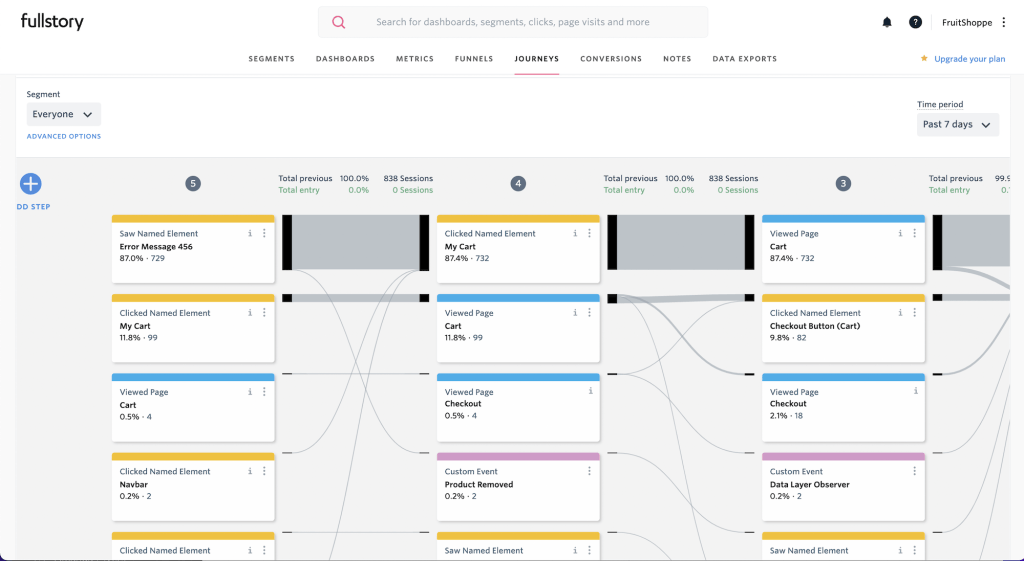
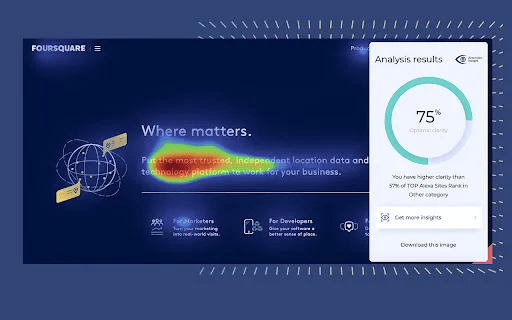
Beyond shaping the interaction, AI also provides a sharper lens to measure its success. Traditional analytics count clicks, but AI can read between the lines. Platforms like FullStory or Hotjar analyze session recordings to pinpoint where users hesitate or struggle, identifying patterns leading to drop-offs or ‘rage clicks’. Others, like Attention Insight, generate heatmaps predicting visual attention without needing eye-tracking hardware. This allows for data-driven UI refinement, moving beyond guesswork to understand why an interface works, or doesn’t.
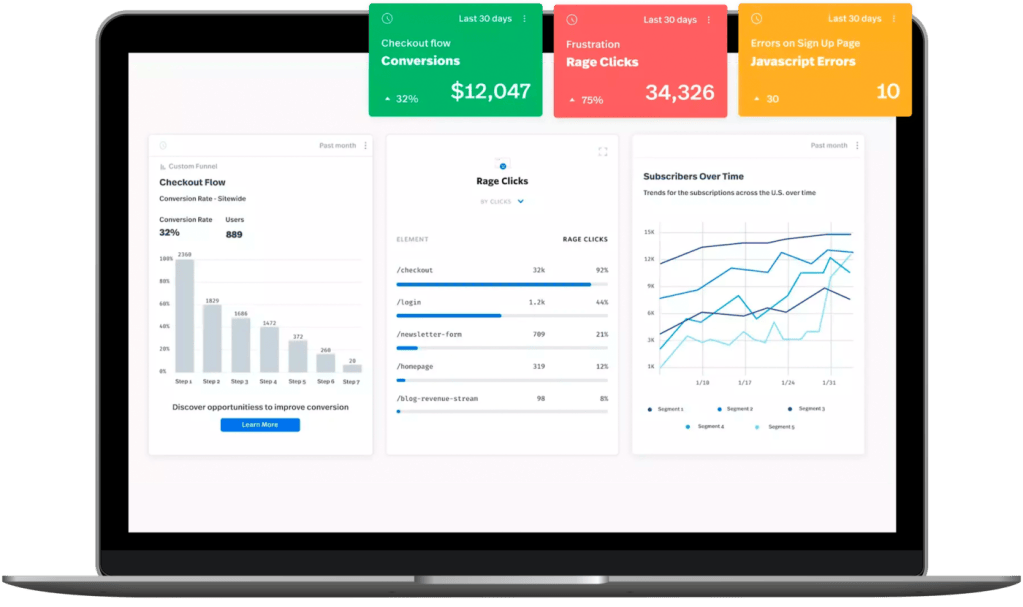
Leveraging this behavioral data effectively is a journey. Frameworks like the Behavioral Data Maturity Matrix help organizations gauge where they stand – moving from basic tracking and reporting towards sophisticated analysis, predictive modeling, and ultimately, automated actions driven by AI insights. Climbing this maturity curve means transforming raw behavioral data into strategic assets that continuously improve the user experience.
It’s not seamless. There are challenges. Bias can creep into algorithms, reflecting flawed data. Transparency is difficult; users don’t always know why an AI suggests something. Building trust requires careful design and ethical considerations.
This deeper understanding also empowers product managers. AI tools can sift through vast amounts of user data – clicks, scrolls, time spent, navigation paths – to surface subtle behavioral trends and unmet needs that might otherwise go unnoticed. Instead of relying solely on surveys or interviews, managers gain quantitative insights into how features are actually used, enabling more informed decisions about product roadmaps and feature prioritization.
But the direction is clear. AI is moving UX from a static map to a dynamic guide. It learns, predicts, assists. For those of us building these digital structures, the task is to wield this intelligence effectively, sharpening the edge of user experience, making it more intuitive, efficient, and fundamentally more human, even as it becomes more artificially intelligent. The goal remains the same: serve the user, just with smarter tools.


Leave a Reply