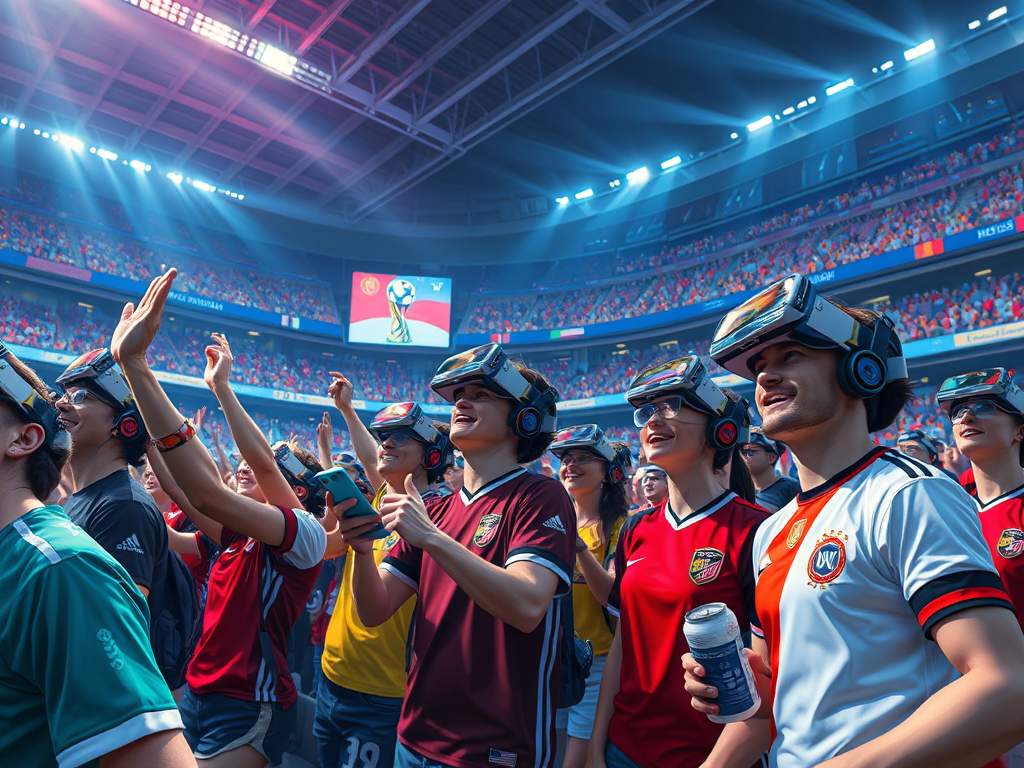
The world is gearing up for the FIFA World Cup 2026, and with it comes an opportunity to redefine how football fans interact with the event. As an architect with a deep understanding of AI’s potential to change the game, I decided to take an unconventional route in building a prototype for a World Cup companion app. Instead of the traditional methods of wireframing, coding, and iterative design, I set out to experiment with the very technologies that would power the future of fan engagement. This journey led to the creation of World Cup Vision AI, an AI-powered platform designed to immerse fans in the World Cup experience like never before.
Published open source to Github. You can download this prototype and add features to it.
The AI-Powered Prototyping Approach
When I first envisioned World Cup Vision AI, I knew that I didn’t want to simply build another sports app. I wanted something that would push the boundaries of what’s possible, blending real-time match insights with immersive, AI-powered fan experiences. The starting point was a Product Requirements Document (PRD), where I laid down the key features and vision for the product. This document became the blueprint for the prototype that I would create using AI tools.
Rather than diving straight into the complex world of UI design or coding, I began with a comprehensive vision that outlined how I wanted the app to enhance fan engagement. From here, AI would take over, rapidly transforming this vision into something tangible.
From Vision to Reality: AI’s Role in Prototyping
Generating UI Components with AI
The first step in the process was generating the user interface components. Using specialized AI design tools, I crafted the app’s layout based on the PRD. This process involved several key steps:
- Design prompting: I described the interface elements and user flows in natural language. I wasn’t limited to strict technical specifications but could think of the user experience in intuitive, human terms.
- Iterative refinement: With each AI-generated design, I provided feedback, helping the system refine the design until it felt right. What would normally take days—or even weeks—was accomplished in hours.
- Component assembly: Once I had a set of generated UI elements, I organized them into cohesive screens, ensuring that the design made sense for the fan experience.
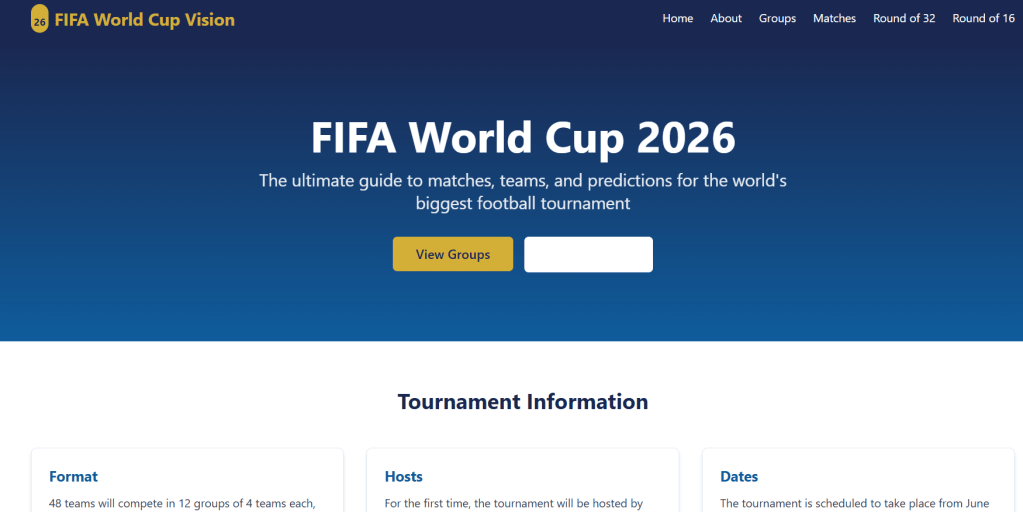
What would have taken weeks of manual design work was completed in a matter of days, leaving me with a fully responsive, intuitive app interface.
From Mockups to Fully Responsive Prototype
The real magic happened when I transitioned from static mockups to a fully functional prototype. With AI as my co-developer, I didn’t have to write complex code for interactivity. Here’s how AI turned the mockups into a working product:
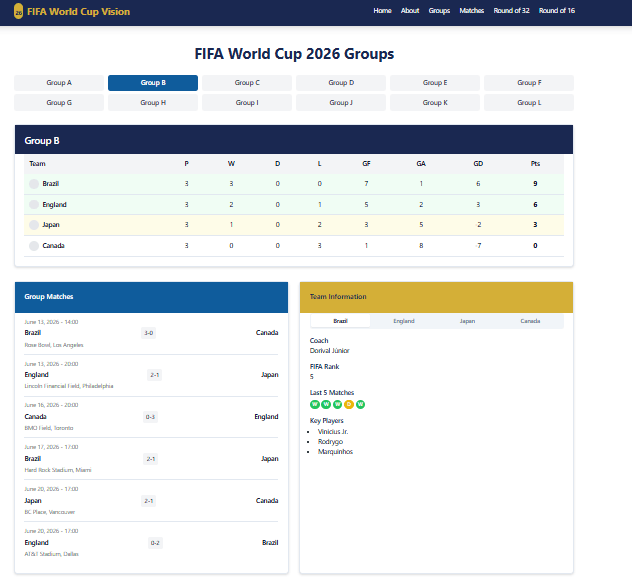
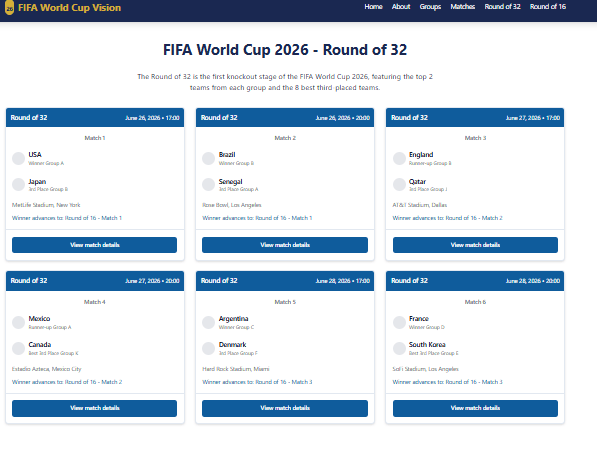
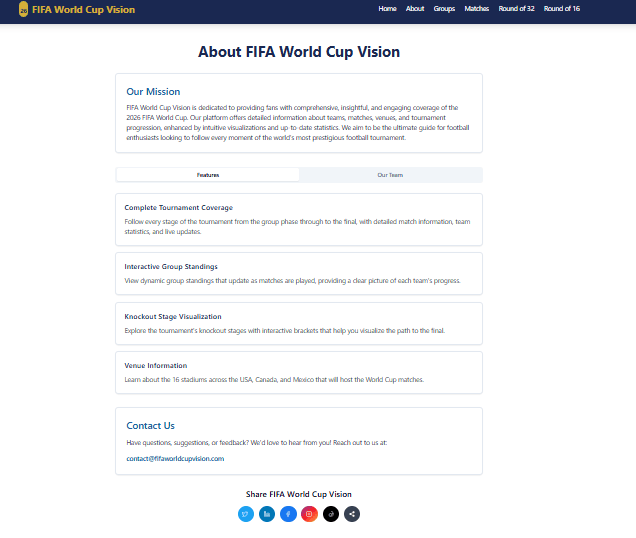
- Responsive Adaptation: The AI automatically generated variants for different screen sizes. Whether it was a phone, tablet, or desktop, the app was fully responsive, adjusting seamlessly to the user’s device.
- Interactive Elements: Buttons, forms, and navigation were made functional with just a few AI-generated code snippets. I didn’t have to worry about manual coding for every interaction—AI did it for me.
- Animation & Transitions: I simply described the transitions I wanted, and the AI generated fluid animations that brought the interface to life, ensuring the app felt dynamic and engaging.
Implementing “Fake” AI Features
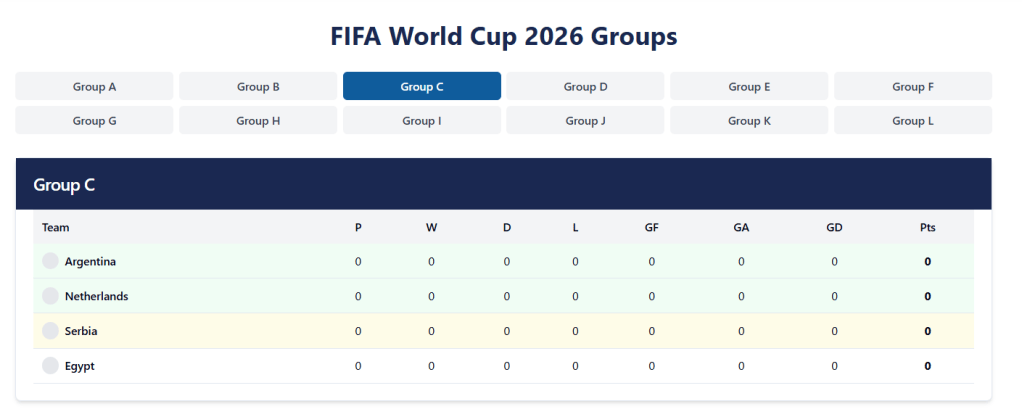
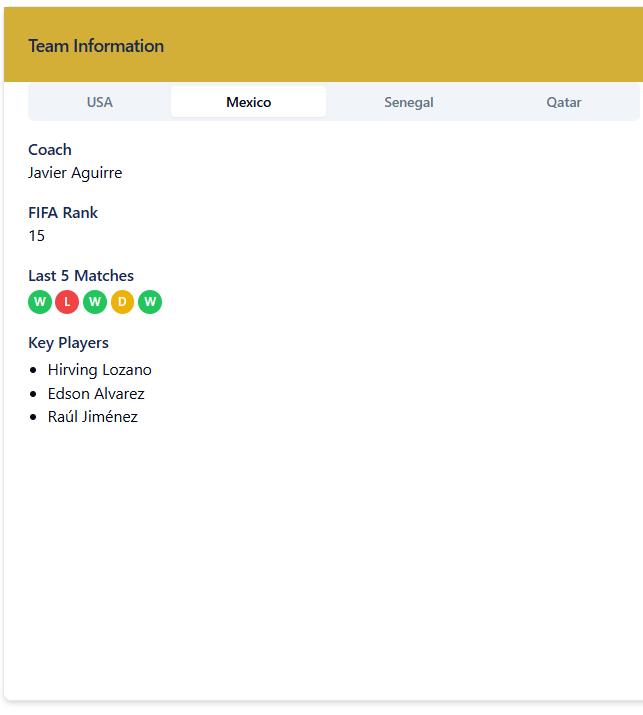
At this stage, I used AI to simulate the core intelligence features that would eventually power the app’s real-time capabilities. While these features wouldn’t be fully functional until further development, they served as proof-of-concept for what the app could ultimately achieve:
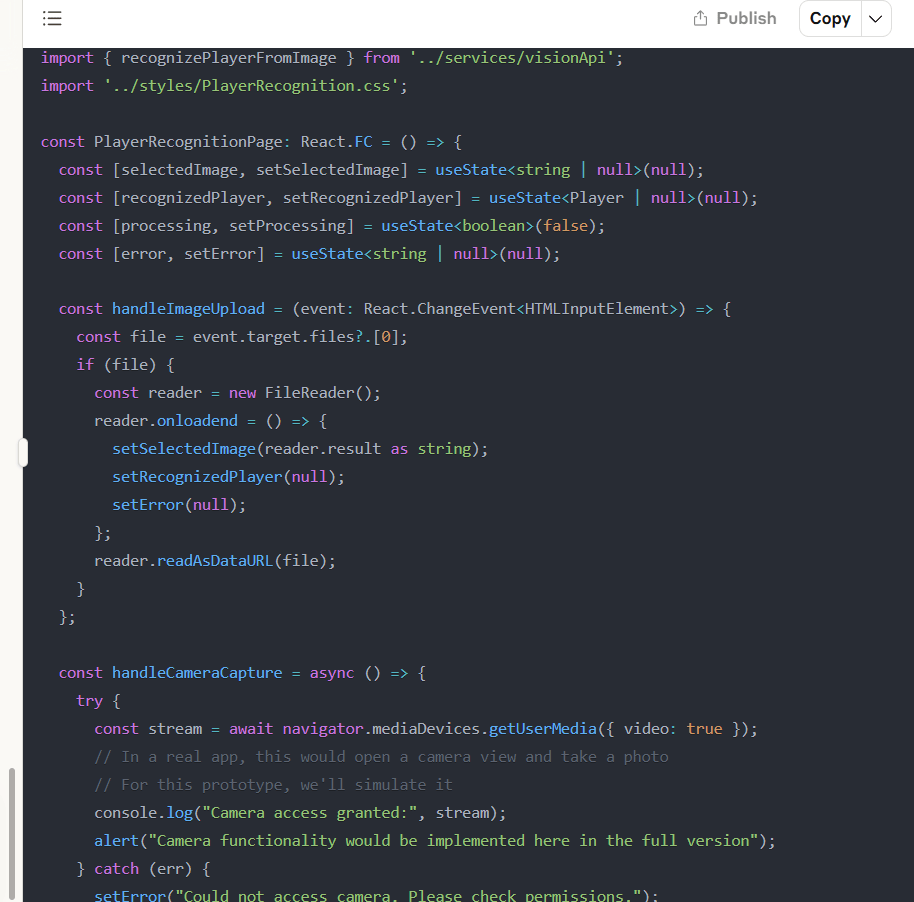
- Simulated Player Recognition: The AI generated responses as though it was identifying players in real-time, mimicking the advanced computer vision models that would be used later.
- Mock Match Analysis: Instead of real-time data processing, I used predefined analysis segments that gave the illusion of live match analysis.
- Chatbot Simulation: The AI-powered chatbot responded to queries about the World Cup, providing answers based on predetermined knowledge, demonstrating how it could eventually function with real-time data.
This allowed me to present a high-fidelity prototype to stakeholders, offering them a taste of the future without waiting for months of model development.
The Benefits of AI-Assisted Prototyping
Speed Beyond Traditional Methods
In the world of product development, speed is of the essence. What would have traditionally taken months for a team of designers, developers, and content creators was completed in just two weeks. This rapid development cycle allowed for multiple iterations and early-stage user testing, helping me refine the app’s design and functionality long before committing to full-scale development.
Resource Efficiency
As a solo creator, I didn’t have the luxury of a full development team. But thanks to AI tools, I was able to perform tasks that would normally require several people:
- UI/UX design: AI generated interface elements, ensuring the user experience was on par with modern standards.
- Frontend and Backend Development: The AI handled much of the code generation, which freed me up to focus on the vision, not the technical minutiae.
- Content Creation: AI helped simulate real-time match analysis and chatbot interactions, saving hours of content creation.
Enhanced Stakeholder Communication
One of the most valuable outcomes of this AI-powered prototyping process was the ability to showcase the product to potential partners, investors, and users. Rather than relying on static wireframes or conceptual presentations, I could demonstrate a working prototype, giving everyone involved a tangible sense of what the final product would look and feel like.
The Road Ahead: What’s Next for World Cup Vision AI?
The prototype has already garnered interest from potential partners. But this is just the beginning. The next phase will involve:
- Machine Learning Implementation: Transforming simulated AI features into real, data-driven insights, powered by computer vision and natural language processing models.
- Backend Infrastructure: Building the infrastructure required to support real-time data processing and AI-powered features.
- User Testing: Conducting more extensive testing with football fans from around the world to refine the app’s features and enhance the overall user experience.
Conclusion: AI as a Prototyping Multiplier
Creating World Cup Vision AI has been an exhilarating journey that demonstrates how AI can be leveraged not just to build products, but to accelerate the product development process itself. With AI as a co-developer, it’s now possible to rapidly prototype complex, data-driven applications, reducing the barriers to innovation.
As we approach the 2026 World Cup, I’m excited to continue refining this app into a fully realized product that brings the event to life for fans in unprecedented ways. If you’re curious to experience the future of sports technology, visit world-cup-vision-ai.lovable.app and see for yourself how AI is shaping the next era of fan engagement.
#AIPrototyping #WorldCup2026 #SportsInnovation #ProductDevelopment


Leave a Reply